
Did you know? According to the National Library of Medicine (NLM), the human body uses 20 amino acids to build proteins, with nine classified as essential because they cannot be produced by the body in sufficient amounts and therefore need to come from the diet.
This can make the supplement aisle confusing. You may see complete amino acid formulas, essential amino acid products, BCAAs and protein powders, all offering different nutritional profiles. The term amino acid covers a wide range of nutrients involved in protein formation, while an amino acid supplement provides selected amino acids in concentrated amounts.
Longevity Box provides science-led supplements for people interested in nutrition, healthy ageing and cellular health. Understanding what each product contains can help you decide whether you need one at all.
Key Takeaways
-
Amino acids are the building blocks used to make proteins in the body.
-
Essential amino acids must come from food or supplementation.
-
BCAAs are three specific essential amino acids: leucine, isoleucine and valine.
-
A complete amino acid formula can provide a broader selection of amino acids than a BCAA product.
-
Protein-rich foods and protein powders provide amino acids as part of intact protein.
What Are Amino Acids and Why Do They Matter?
Amino acids are compounds the body uses to build proteins. Proteins support muscles, enzymes, hormones, tissues and many other biological functions. They act as the building blocks of protein, helping the body form and maintain structures such as muscle tissue.
Nine amino acids are considered essential. These include leucine, isoleucine, valine, lysine, methionine, threonine, tryptophan, phenylalanine and histidine. The body needs to obtain these through the diet. These are known as nine essential amino acids, and they are found in foods containing high-quality protein.
The other amino acids can be produced by the body and are known as non-essential amino acids, although some may become conditionally essential during certain situations. A varied diet containing protein-rich foods can provide a wide range of amino acids.
What Is a Complete Amino Acid Supplement?
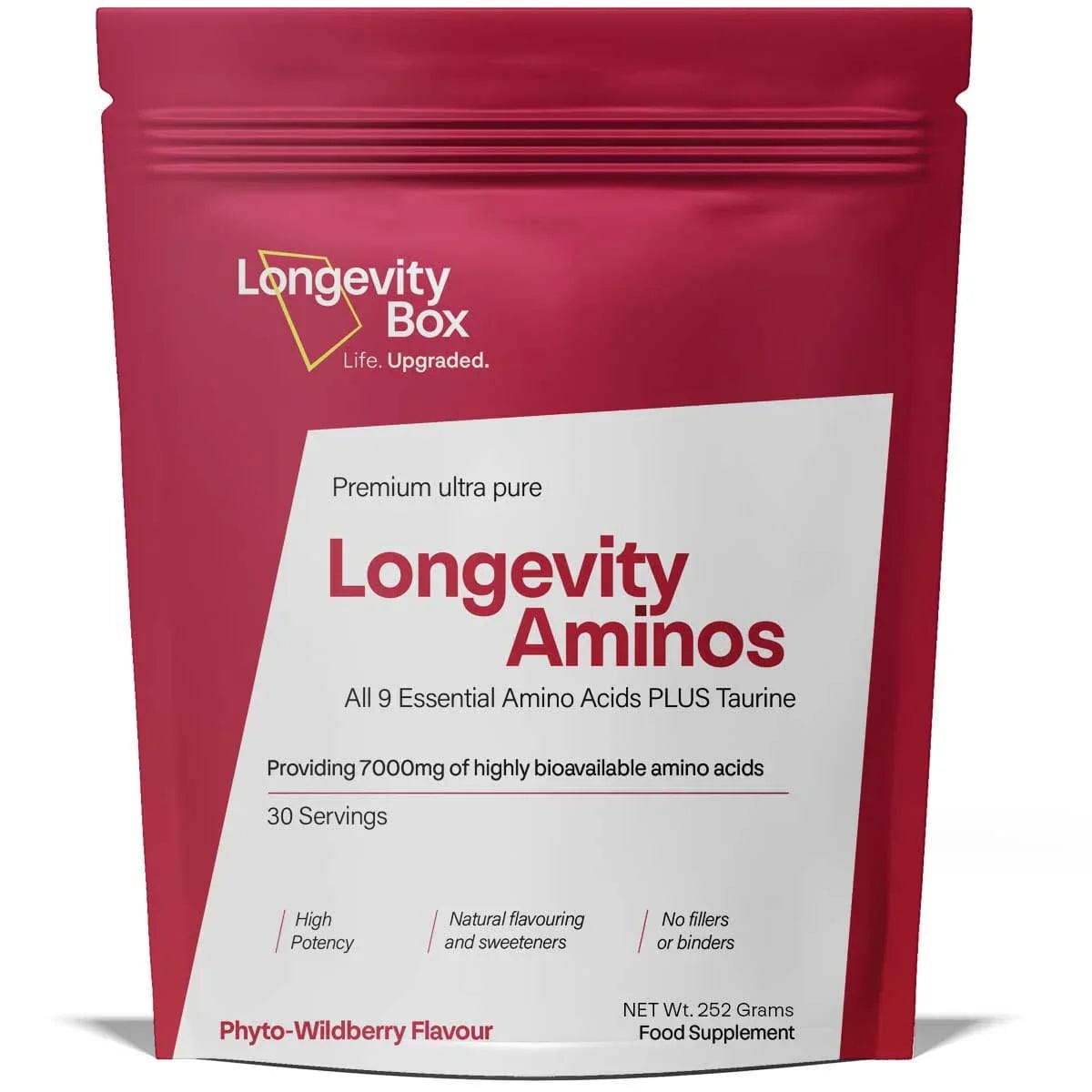
A complete amino supplement generally provides a broader range of amino acids rather than focusing on only a few. The exact formulation can differ between products, so checking the ingredient panel is important.
Some formulas may include all nine essential amino acids alongside other amino acids. Others may use the word “complete” to describe a particular blend. Reading the actual amounts gives you a clearer picture of what you are consuming.
A complete amino acid protein supplement may therefore provide wider amino acid coverage than a product containing only BCAAs. This does not automatically mean you need the broader formula. Your dietary protein intake and individual nutritional goals still play a key role.
A formula containing all essential amino acids may also be described as a complete protein when discussing protein sources, although the terms are not always used in exactly the same way across supplement products.
What Are Essential Amino Acids?
Essential amino acids, or EAA, are the nine amino acids that the body cannot produce in sufficient quantities.
They include:
-
Leucine: Involved in muscle protein synthesis and other metabolic processes.
-
Isoleucine: Supports protein metabolism and energy use.
-
Valine: Another branched-chain amino acid involved in protein metabolism.
-
Lysine, methionine, threonine, tryptophan, phenylalanine and histidine: Each has its own role in protein production and normal body function.
An EAA supplement provides these nine amino acids in a concentrated form. They can be useful for people looking for a supplement that covers the complete essential amino acid group.
What Are BCAAs?
BCAAs are branched-chain amino acids. The group contains leucine, isoleucine and valine.
These three amino acids are also part of the nine essential amino acids. The key difference is that a BCAA product focuses on three rather than the full EAA group.
Leucine has received particular attention in research because it can activate signalling involved in muscle protein synthesis. Still, muscle protein building requires several amino acids, which is why BCAAs and EAAs should not be treated as interchangeable.
For people focused on muscle growth, the overall supply of essential amino acids and sufficient dietary protein can be more relevant than focusing on BCAAs alone.
Essential Amino Acids vs BCAA: What's the Difference?
The main difference is coverage.
|
Feature |
Essential Amino Acids |
BCAAs |
|
Number of amino acids |
9 |
3 |
|
Leucine included |
Yes |
Yes |
|
Isoleucine included |
Yes |
Yes |
|
Valine included |
Yes |
Yes |
|
Other essential amino acids |
Included |
Not included |
The essential amino acids vs BCAA comparison becomes easier when you remember that BCAAs are a subgroup within the essential amino acids.
A complete amino acid protein supplement can provide an even broader profile, depending on its formulation. This broader selection may include amino acids that support muscle recovery alongside those directly associated with muscle protein formation.
Amino Acid vs Protein Powder: What's the Difference?
Amino acid supplements provide individual amino acids, while protein powder provides intact protein that the body breaks down into amino acids during digestion.
Protein powders such as whey protein, casein, soy and other plant-based options can provide essential amino acids alongside other nutrients. Whey is a commonly used protein source, particularly among people looking for convenient ways to increase their daily protein intake.
A protein shake can therefore provide a convenient serving of dietary protein, while an amino acid formula delivers selected amino acids without supplying intact protein in the same way.
The amino acid vs protein powder choice therefore depends partly on what you want from supplementation. Someone trying to increase total daily protein may find a protein powder more relevant, while someone looking for selected amino acids may prefer an amino acid formula.
When Might You Consider Each Option?
Different products can suit different nutritional needs.
-
Complete amino acid formula: May suit someone looking for a broader selection of amino acids in one product.
-
EAA supplement: May suit someone specifically looking for all nine essential amino acids.
-
BCAA supplement: May suit someone who wants to target leucine, isoleucine and valine.
-
Protein powder: May suit someone who needs a convenient way to increase total protein intake.
Diet remains an important source of amino acids. Foods such as eggs, dairy, fish, meat, soy and legumes can contribute protein and essential amino acids. For people focused on muscle building, meeting an appropriate protein target through food or supplements can be more useful than simply adding more individual amino acids.
How to Choose an Amino Acid Supplement
If you are searching for the best amino acid supplement, start by checking what is actually inside the product.
Look at:
-
Amino acid profile: See which amino acids are included.
-
Amount per serving: Check the quantity of each amino acid rather than only the total serving weight.
-
EAA and BCAA content: Identify whether the product provides all nine EAAs or only the three BCAAs.
-
Additional ingredients: Check flavours, sweeteners and other added compounds.
-
Quality information: Look for clear manufacturing and testing details.
These checks can help you compare products based on their actual formulation. A clear amino acid profile also makes it easier to see whether the formula fits your dietary needs and planned amino acid supplementation.
Do You Actually Need an Amino Acid Supplement?
People who already consume enough protein through their diet may already be getting a substantial supply of amino acids. Protein-rich foods provide amino acids alongside other nutrients, making dietary protein an important starting point.
Supplementation can have a different role when dietary intake is limited or when someone has a specific nutritional goal. Age, activity levels, dietary pattern and individual health needs can all influence protein requirements.
Someone aiming to build muscle may first need to assess their overall protein intake, meal pattern and training routine before adding an individual amino acid product. A supplement should therefore fill a genuine nutritional gap rather than being chosen simply because it contains more amino acids.
Complete vs Essential vs BCAA: Which Should You Choose?
There is no single option that everyone needs. A complete formula can provide a wider amino acid profile, an EAA product focuses on the nine essential amino acids, and BCAAs provide leucine, isoleucine and valine.
Protein powder is another category since it provides intact protein rather than isolated amino acids. Checking your existing protein intake first can help you decide whether additional supplementation is useful. For people using protein powder as part of their daily nutrition, the amount and quality of the protein source can be relevant when assessing total intake.
Final Thoughts: Choosing the Right Amino Acid Supplement
Understanding the difference between these products makes the decision easier. A complete formula offers broader amino acid coverage, EAAs provide the full essential group, while BCAAs focus on three specific amino acids. Your diet and nutritional goals should guide which type, if any, fits your needs.
Longevity Box offers science-led nutritional supplements for people exploring healthy ageing and cellular health. If you are considering a complete amino acid protein supplement, take time to review the amino acid profile, serving amounts and formulation before choosing. Explore the Longevity Box range to find products designed around specific nutritional and longevity-focused needs.
FAQs
Are BCAAs the same as essential amino acids?
BCAAs are three of the nine essential amino acids. They include leucine, isoleucine and valine, while the EAA group contains six additional amino acids.
Is a complete amino acid supplement better than BCAAs?
These products provide different amino acid coverage. A complete formula may contain more amino acids, while a BCAA product focuses on three specific EAAs. The right choice depends on your dietary intake and nutritional goals.
Are amino acids better than protein powder?
They serve different purposes. Amino acid supplements provide individual amino acids, while protein powders provide intact protein that supplies amino acids after digestion.
Do I need amino acid supplements if I eat enough protein?
A balanced diet with sufficient protein can provide the amino acids your body needs. Whether additional supplementation is useful depends on factors such as dietary intake, activity and individual nutritional needs.
