
Did you know that amino acids are involved in almost every biological process in the body, from digestion to brain signalling and cellular repair? These compounds are the building blocks of protein and are essential for maintaining overall health. In fact, amino acids are organic compounds that act as the building blocks of protein and amino acids together support functions such as energy production and tissue repair. Many people now include an amino acid complex in their routine to support daily wellness, especially when diet alone may not provide enough balance.
Longevity Box offers carefully developed supplements designed to support recovery, energy, and long-term health, making it easier to include high-quality nutrition only.
Modern lifestyles, including processed diets, stress, and irregular eating habits, can affect how efficiently the body uses nutrients. This is why understanding how amino acids work can help you make better choices for your gut, brain, and overall cellular health, while ensuring you are getting enough amino acids from foods or supplements.
Key Takeaways
-
Amino acids are the building blocks of protein and support essential functions like digestion, brain signalling, and cellular repair
-
The body needs 20 different amino acids, including 9 essential amino acids that must come from diet or supplements
-
They play a key role in gut health, helping maintain the gut lining and improve nutrient absorption
-
Amino acids support brain function by aiding neurotransmitter production, which affects mood, focus, and stress levels
-
They contribute to muscle growth, recovery, and energy production, especially when intake is consistent
-
Getting enough amino acids through food or an amino acid complex can help maintain long-term health and daily performance
What Are Amino Acids and Why Are They Important?
Amino acids are organic compounds that combine to form proteins, making them the building blocks of protein and essential for nearly every function in the body. The body needs 20 different amino acids, including 9 essential amino acids that must come from food sources or dietary supplements.
There are three main types of amino acids:
-
Essential amino acids, which must be obtained through diet
-
Non-essential amino acids, which the body can produce
-
Conditionally essential amino acids, needed during stress or illness
Some of the best-known include branched-chain amino acids (BCAAs), which support muscle growth and recovery, and compounds such as glutamic acid and aspartic acid that support brain function.
Because the amino acids your body needs cannot always be produced in sufficient quantities, ensuring adequate intake is important for maintaining balance and supporting daily function.
How Amino Acids Support Gut, Brain and Cellular Function
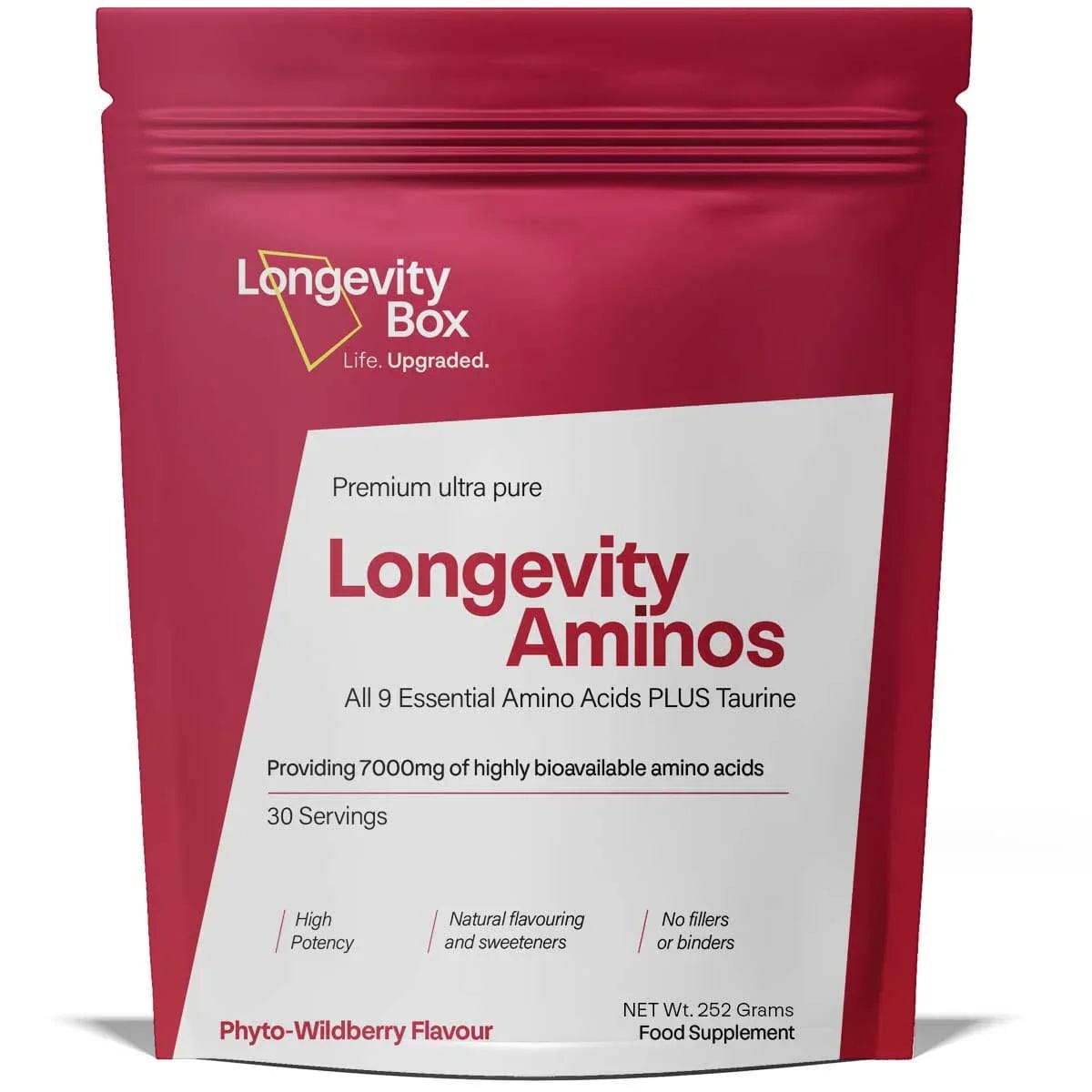
Amino acids contribute to multiple systems in the body, making them important for overall well-being.
Gut Health
-
Help maintain and repair the gut lining
-
Support digestion and nutrient absorption
-
Contribute to gut balance and function
Brain Function
-
Support production of neurotransmitters
-
Help regulate mood and mental clarity
-
Assist in managing stress and anxiety
Cellular Function
-
Support cell repair and regeneration
-
Help with energy production at a cellular level
-
Play a role in immune system function
Amino acids help at a deep biological level by supporting cellular processes, and they also contribute to the production of other amino acids required by the body. These roles highlight the wide-ranging benefits of amino acids for maintaining overall health and wellness.
Key Benefits of Amino Acids for Daily Health
Amino acids are widely used because they support several important areas of the body when taken consistently.
Gut Health Support
-
Helps maintain a strong digestive system
-
Supports nutrient absorption
-
Contributes to gut lining repair
Brain and Mood Support
-
Supports mental clarity and focus
-
Helps balance mood
-
Supports brain function through neurotransmitter production
Energy and Recovery
-
Helps reduce fatigue
-
Supports muscle tissue repair
-
May help stimulate muscle recovery after exercise
Cellular Health
-
Supports repair, growth, and overall body function
-
Helps maintain muscle mass and strength
-
Plays a role in energy metabolism
These benefits of amino acids make amino acid supplements a valuable option for those looking to improve overall well-being, especially when combined with a balanced diet and proper amino acid intake.
Best Natural Sources of Amino Acids
A balanced diet is one of the best ways to maintain adequate amino acids in your diet.
Common food sources include:
-
Eggs and dairy products that contain all nine essential amino acids
-
Meat and fish rich in protein and amino acids
-
Lentils and legumes
-
Nuts and seeds
These foods provide essential nutrients and help ensure you are getting enough essential amino acids. For those who may not get enough through food sources, options like amino acids powder or essential amino acid supplements can conveniently support daily intake.
How to Take Amino Acids for Best Results
Using amino acids correctly helps improve their effectiveness and long-term benefits.
-
Take amino acid supplements consistently each day
-
Can be consumed with or without meals
-
Often used before or after exercise to support muscle growth
-
Follow recommended intake guidelines
Many people include an amino acid complex or consider taking essential amino acid supplements to support muscle mass, energy, and recovery. The right amount of amino acids depends on individual needs, activity level, and dietary intake.
Who Should Consider Amino Acid Supplements
Amino acid supplementation may be helpful for:
-
Individuals with low protein intake
-
People experiencing fatigue or low energy
-
Fitness-focused individuals looking to build muscle or support muscle growth
-
Those dealing with muscle damage and soreness
-
Individuals looking to support gut and brain health
Amino acid supplements may also benefit those who struggle with getting enough amino acids through food alone, making them a useful addition to daily routines focused on long-term health.
Are There Any Side Effects or Risks?
Amino acids are generally well-tolerated when taken in recommended amounts.
Possible considerations include:
-
Mild digestive discomfort in some cases
-
Imbalance if taken in excessive amounts
-
Interaction with certain health conditions
Although amino acid supplementation is widely used, it is important to ensure balanced intake. Always seek guidance from a healthcare professional if unsure before you take amino acid supplements.
What to Look for in a Quality Amino Acid Supplement
Choosing the right supplement can make a difference in results and overall experience.
Look for:
-
A balanced blend of essential amino acids
-
Products that contain all nine essential amino acids
-
Clear ingredient and dosage information
-
No unnecessary fillers or additives
-
Tested for quality and safety
A well-formulated amino acid supplement ensures better absorption and helps support muscle growth, energy, and overall cellular health effectively.
Conclusion
Amino acids play an essential role in supporting gut health, brain function, and overall cellular performance. From helping repair the gut lining to supporting neurotransmitter production and energy levels, they are a key part of maintaining balance in the body. Including an amino acid complex in your routine can be a simple way to support long-term wellness and daily energy.
Longevity Box offers carefully developed supplements designed to support recovery, focus, and overall health. If you want to feel more energised, support your digestion, and improve how your body functions each day, now is a great time to explore their range and choose a solution that fits your routine.
Frequently Asked Questions
1. What do amino acids do in the body?
They act as the building blocks of protein, helping with muscle growth, brain function, digestion, and cellular repair.
2. Are amino acids good for gut health?
Yes, amino acids help maintain the gut lining and support digestion and nutrient absorption.
3. Can I take amino acids every day?
Yes, many people take amino acid supplements daily to ensure they get enough amino acids for overall health.
4. How long does it take to see results?
Some benefits may appear within a few days, while long-term improvements in muscle mass and energy develop with consistent use.
